Find a Phoenix Photographer for Events
Enhance Your Brand: The Power of Professional Photography in Business Growth
In the current competitive landscape, the importance of professional photography is undeniable. Businesses that commit to high-quality imagery tend to experience stronger brand recognition and increased consumer trust. The art of visual storytelling is essential in building meaningful relationships with audiences. That said, not every image fulfills the same objective. Understanding how to choose the right photographer and utilize visuals effectively can make a substantial difference. What methods can businesses use to enhance the effectiveness of their visual content?
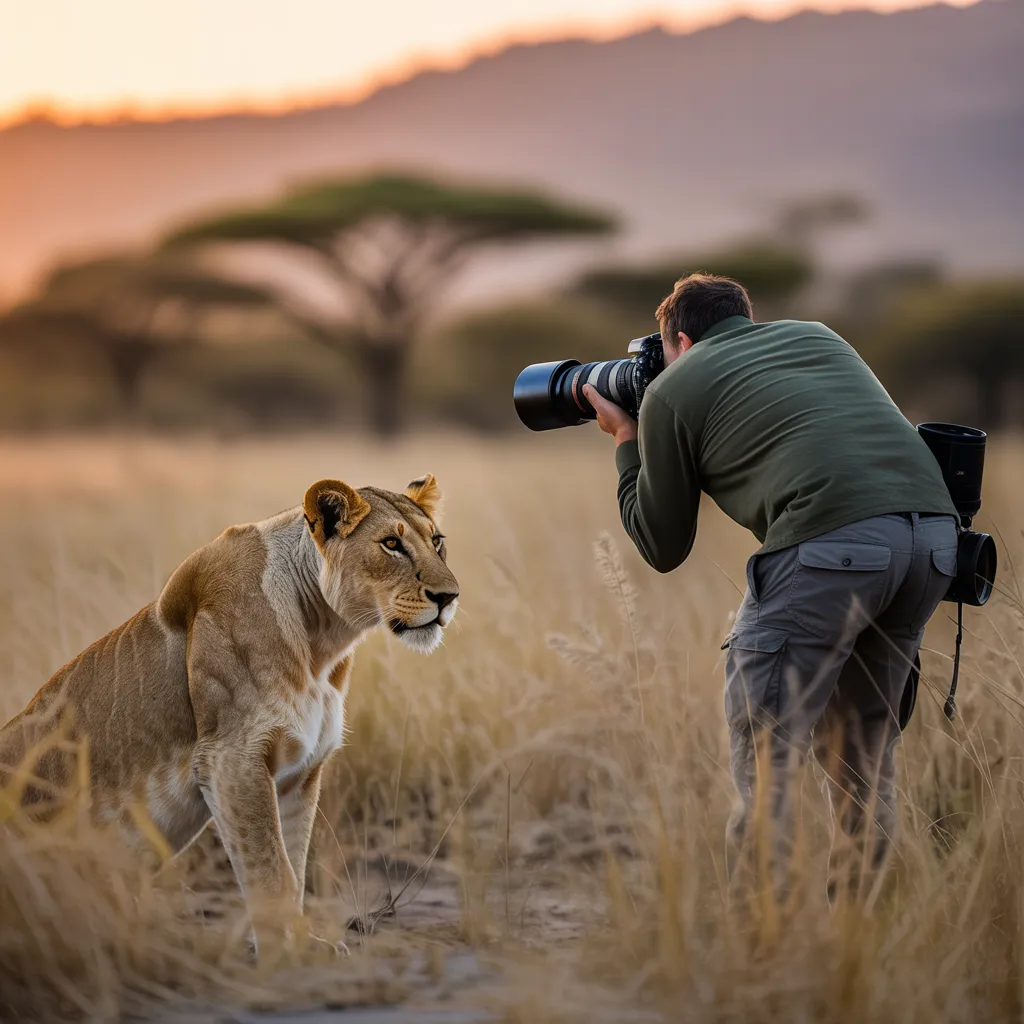
The Importance of Professional Photography You Need to Know
Why should businesses invest in professional photography? The key reason comes down to the impact of first impressions. Premium-quality photos can significantly elevate a brand's reputation, demonstrating expertise and a commitment to quality. In today's image-focused commercial environment, prospective clients frequently evaluate a company through its visual presentation. Expert photography presents products and services in the most favorable way, capturing and maintaining the curiosity of prospective buyers.
Additionally, cohesive and polished visuals contribute to establishing brand awareness and recognition. Genuine representation is important; expertly crafted visuals can develop an engaging narrative that speaks to target audiences. This commitment can generate greater audience engagement across a range of platforms, from online platforms to social media networks.
Ultimately, businesses that invest in professional photography emerge as industry leaders, fostering credibility and trust. In an era where visual content reigns supreme, the demand for high-quality visuals is not just advantageous—it's essential for long-term success.
The Importance of Visual Storytelling in Brand Engagement
In the modern competitive environment, visual narratives have risen as a compelling strategy for brand connection. By weaving narratives through images, brands can establish deep emotional ties with their followers, rendering their content more impactful and lasting. This methodology surpasses standard promotional techniques, enabling businesses to express their core values, purpose, and character through striking imagery.
Compelling visual narratives attracts interest and builds stronger connections, motivating customers to commit to the brand. It allows companies to present their offerings in real-world scenarios, illustrating how they enhance everyday life. With thoughtfully selected visuals, businesses can showcase their key differentiators and distinguish themselves within their industry.
In addition, visual storytelling enhances online visibility, as shareable content increases visibility and encourages audience participation. Through incorporating premium visuals that connect with intended audiences, organizations can develop loyalty and stimulate engagement, which ultimately drives lasting commercial achievement.
How Premium Images Establish Consumer Trust
Superior-quality photographs act as a foundation for establishing consumer trust in today's digital marketplace. They offer a graphic illustration of a brand's identity, conveying professionalism and attention to detail. When consumers come across crisp, well-composed photos, they are inclined to regard the brand as authentic and reputable. This perception is critical, especially in an environment saturated with rivals and misleading content.
Furthermore, professional images significantly improve the overall user experience, turning websites and social media platforms into more engaging spaces. They allow potential customers to visualize products or services, fostering a sense of familiarity and comfort. As shoppers increasingly turn to visual signals to shape their buying decisions, companies that invest in professional imagery set themselves apart from the competition.
In the end, the effect of superior quality images transcends simple visual elements; they establish a solid foundation for reliability, nurturing customer loyalty and driving business growth.
Tips for Choosing the Ideal Photographer
Choosing the right photographer is essential for aligning visual content with a business's identity. It entails precisely defining the business vision, reviewing the quality of the photographer's body of work, and examining budget options. By addressing these key factors, businesses can form informed decisions that strengthen their visual impact.
Clarify Your Brand Vision
A clear brand strategy serves as the cornerstone for selecting the right photographer. Companies must first define their values, identity, and target audience, as this insight guides the photography style needed to clearly express their message. Understanding whether the company tends toward a modern, minimalist aesthetic or a bold, energetic style is essential. Moreover, defining clear objectives—such as enhancing online presence or developing compelling promotional content—will shape the decision on a photographer whose reference capabilities aligns with these objectives. By recognizing the desired emotional response from the viewers, organizations can guarantee they choose a photographer who can capture the essence of their business identity. This strategic alignment greatly improves the overall effectiveness of the brand imagery.
Assess Portfolio Quality
When reviewing photographers, the standard of their portfolio serves as a key indicator of their abilities. A well-rounded portfolio showcases a breadth of styles and subjects, allowing interested clients to assess the photographer's adaptability and technical proficiency. It is important to look for consistency in lighting, composition, and image quality, as these elements reflect the photographer's attention to detail. Furthermore, assessing prior work relevant to the specific field can provide insight into how well the photographer understands branding and marketing needs. Client testimonials or case studies accompanying the portfolio may further enhance credibility. In conclusion, a well-curated portfolio not only showcases artistic vision but also indicates the photographer's ability to deliver results that correspond with a business's goals.
Consider Budget Options
Assessing portfolio quality lays the basis for selecting the right photographer, but financial considerations hold equal significance in the decision-making process. Organizations need to set a precise budget that aligns with their marketing goals. This budget should include not only the photographer's rates but also potential additional costs, such as editing, travel, and licensing fees. Reviewing various photographers helps companies achieve a compromise between cost and quality. It is essential to clearly express requirements and expectations early to eliminate surprise charges. Moreover, some photographers might present bundled packages or reduced rates for larger projects, offering additional choices for financially mindful organizations. In the end, thorough budget management can lead to a fruitful working relationship that strengthens brand identity without going over budget.
Using Images Effectively Across Platforms
Leveraging the power of images can significantly boost a brand's visibility across numerous platforms. Effective image use requires an understanding of the specific characteristics of each platform. For instance, vibrant, eye-catching visuals work well on social media, driving user interaction and distribution. In contrast, crisp, high-quality images are essential for websites and e-commerce platforms, where they foster trust and credibility.
Additionally, a consistent visual style—fonts, color schemes, and image quality—bolsters brand identity. Adapting images for specific formats, such as square for Instagram and landscape for Facebook, guarantees ideal display and viewer experience. Additionally, using images in email marketing can greatly increase open and click-through rates.
Case Studies: Key Takeaways From Top Brands
Successful brands showcase the significant effect of professional photography on business success. To illustrate, a well-known cosmetics company revamped its advertising strategy by utilizing high-resolution images that displayed its merchandise in real-world settings. This shift led to a 30% improvement in online sales across a six-month timeframe, illustrating the effectiveness of engaging visual content.
In the same way, a premium hospitality brand utilized professional photo services to present its exceptional amenities and spectacular views. The impressive imagery not only elevated their website but also boosted engagement on social media, resulting in a 50% increase in reservations booked directly.
Another example is a fashion business that embraced a unified brand aesthetic through professional shoots. This initiative not only enhanced its brand perception but also cultivated a dedicated following, highlighted through a 40 percent increase in customer retention rates. These real-world instances demonstrate how strategic use of professional visual content can considerably improve brand recognition and fuel commercial growth.
Common Questions and Answers
What Is the Typical Budget for Professional Photography Services?
Planning a budget for professional photography usually spans from $500 to $5,000, influenced by elements including project complexity, the photographer's experience level, and usage rights. Companies should evaluate their requirements to establish a suitable budget within this range.
Should I Use Stock Photos Instead of Hiring a Professional Photographer?
Employing stock photography can be a cost-effective alternative to working with a professional photographer, but they may miss the mark on genuineness and distinction. Organizations need to evaluate the advantages of unique content against financial limitations when deciding on visual content.
How Frequently Should I Refresh My Brand Images?
Companies should renew their imagery every 1-2 years to keep pace with evolving trends and preserve their relevance. Frequent updates ensure the visual presence fresh, connecting with audiences and reinforcing brand loyalty through consistent, high-quality imagery.
What Photography Types Are Most Suitable for My Industry?
Lifestyle, product, and event photography remain vital for most industries. Companies should focus on professional-grade images that resonate with their core audience, presenting professionalism and authenticity to enhance brand image and customer interaction successfully.
What Are the Ways to Measure Photography's Impact on My Brand?
To assess photographic content's impact on a brand, businesses can study engagement data, track conversion data, solicit client feedback, and assess brand perception using surveys, ultimately determining how photographic content impacts overall brand performance.