Phoenix Photographer: Trusted Experts
Enhance Your Brand: The Power of Professional Photography in Business Growth
In today's demanding marketplace, the significance of professional photography cannot be overstated. Brands that invest in high-quality imagery often enjoy enhanced reputations and stronger consumer trust. Visual narratives serve a critical function in establishing genuine connections with target audiences. Nevertheless, not all visuals are designed to achieve the same goal. Knowing how to select the ideal photographer and leverage visuals strategically can create a significant impact. What approaches can companies adopt to fully leverage the power of their visuals?
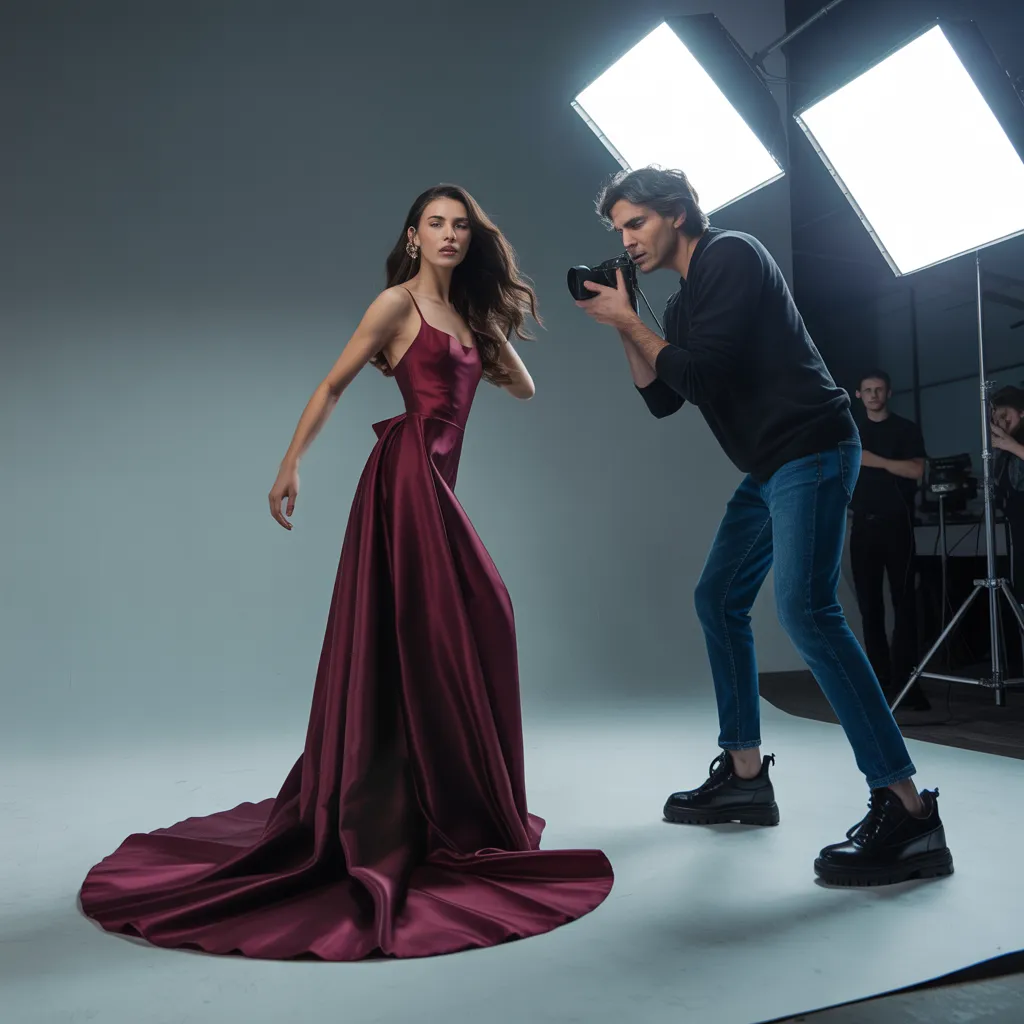
Why You Should Care About Professional Photography
Why is professional photography essential for businesses? The key reason comes down to the impact of first impressions. Premium-quality photos can significantly elevate a brand's reputation, conveying professionalism and attention to detail. In today's image-focused commercial environment, prospective clients frequently evaluate a company through its visual presentation. High-end photography highlights products and services at their finest, drawing in and holding the attention of potential customers.
Additionally, consistent and polished visuals aid in building a recognizable brand identity. Genuine representation is important; professionally captured photographs can build a compelling story that appeals to a wide audience. This commitment can generate higher levels of engagement across various platforms, from social media to websites.
At the end of the day, organizations that prioritize expert photography establish themselves as leaders in their industry, cultivating confidence and reliability. During a time when visual content dominates, the demand for professional images is not just advantageous—it's essential for lasting growth.
The Importance of Visual Storytelling in Brand Engagement
In the modern competitive environment, visual narratives have risen as a compelling strategy for brand engagement. By crafting stories through visuals, brands can create emotional connections with their audiences, rendering their content more impactful and lasting. This strategy goes beyond conventional marketing methods, permitting organizations to convey their principles, objectives, and identity through powerful visuals.
Effective visual storytelling grabs attention and encourages meaningful engagement, inspiring audiences to connect with the brand. It enables businesses to showcase their products and services in context, demonstrating how they improve daily living. With thoughtfully selected visuals, brands can highlight their unique selling propositions and differentiate themselves from competitors.
Additionally, visual storytelling enhances online visibility, as distributable content boosts exposure and stimulates audience engagement. Through leveraging compelling imagery that appeals to key demographics, brands can cultivate loyalty and drive engagement, ultimately contributing to long-term business success.
How Premium Images Establish Consumer Trust
Premium-quality visuals act as a foundation for establishing consumer trust in the modern digital landscape. They provide a graphic illustration of a brand's identity, communicating expertise and precision. When consumers encounter sharp, carefully crafted images, they are inclined to view the brand as trustworthy and dependable. This understanding is essential, especially in an environment saturated with competition and misinformation.
Moreover, top-tier images greatly enhance the broader user experience, transforming websites and social media channels into more compelling destinations. They empower prospective buyers to visualize products or services, fostering a sense of familiarity and comfort. As customers continue to lean on visual cues to drive their purchasing decisions, brands that invest in professional photography distinguish themselves from competitors.
In the end, the impact of premium images goes far beyond visual appeal; they establish a firm foundation for confidence, nurturing customer loyalty and propelling business prosperity.
How to Find the Perfect Photographer
Picking the right photographer is essential for connecting visual content with a business's identity. It requires carefully defining the business vision, evaluating the quality of the photographer's body of work, and considering budget options. By addressing these key factors, businesses can make informed decisions that strengthen their visual identity.
Establish Your Brand Vision
A clear brand identity functions as the cornerstone for identifying the most suitable photographer. Organizations must first define their values, identity, and target audience, as this understanding guides the photographic style needed to successfully convey their brand story. Understanding whether the brand leans towards a modern, minimalist aesthetic or a lively, engaging aesthetic is essential. Furthermore, establishing specific goals—such as improving digital visibility or developing compelling promotional content—will guide the decision on a photographer whose expertise corresponds to these objectives. By recognizing the intended emotional impact from the viewers, organizations can confirm they choose a photographer who can reflect the spirit of their brand vision. This purposeful approach ultimately enhances the overall effectiveness of the visual storytelling.
Review Portfolio Quality
When evaluating photographers, the quality of their portfolio serves as a vital indicator of their skills. A thorough portfolio showcases a breadth of styles and subjects, allowing potential clients to gauge the photographer's technical skills and versatility. It is essential to look for consistency in lighting, composition, and image quality, as these elements reflect the photographer's attention to detail. Furthermore, assessing prior work relevant to the specific field can shed light on how well the photographer understands branding and marketing needs. Testimonials or case studies accompanying the portfolio may also boost credibility. At the end of the day, a carefully curated portfolio not only reflects artistic vision but also highlights the photographer's ability to produce results that correspond with a business's goals.
Consider Budget Options
Reviewing the quality of a portfolio establishes the groundwork for selecting the right photographer, but financial considerations hold equal significance in the decision-making process. Organizations need to set a precise budget that aligns with their marketing goals. This budget should cover not only the photography fees but also other potential costs, such as editing, travel, and licensing fees. Reviewing various photographers allows businesses to find a middle ground between excellence and budget. It is crucial to outline needs and expectations begin here from the start to eliminate surprise charges. Furthermore, some photographers may offer special packages or price reductions for bigger assignments, creating more opportunities for cost-aware companies. In the end, careful financial planning can produce a fruitful working relationship that enhances brand image without exceeding the budget.
Utilizing Images Efficiently Across Platforms
Harnessing the strength of images can significantly enhance a brand's presence across various platforms. Effective image use requires an understanding of the distinct characteristics of each platform. For instance, bold, attention-grabbing visuals work well on social media, attracting user participation and reach. In contrast, crisp, high-quality images are essential for websites and e-commerce platforms, where they foster trust and credibility.
Furthermore, visual style consistency—fonts, color schemes, and image quality—reinforces brand identity. Adjusting images for particular formats, like square crops for Instagram and landscape orientations for Facebook, secures an ideal display and user experience. In addition, including images within email marketing may substantially improve open and click-through rates.
Case Studies: What Successful Brands Can Teach Us
Leading companies highlight the profound impact of expert photography on commercial performance. For instance, a well-known beauty company overhauled its advertising strategy by leveraging premium visuals that highlighted its products in real-world settings. This transition produced a 30% rise in digital sales across a six-month timeframe, demonstrating the strength of attractive visual material.
Likewise, a premium hotel chain used professional photography to showcase its exceptional amenities and stunning views. The stunning visuals not only improved their website but also boosted engagement on social media, resulting in a 50% increase in reservations booked directly.
Another example features a clothing brand that prioritized a unified brand aesthetic through professional shoots. This initiative not only elevated its brand image but also developed a faithful customer community, highlighted through a 40% surge in recurring sales. These case studies demonstrate how the thoughtful integration of expert photo production can greatly enhance brand recognition and drive business success.
Commonly Asked Questions
How Much Should I Budget for Professional Photography Services?
Budgeting for professional photography services typically ranges from $500 to $5,000, based on considerations such as project scope, photographer expertise, and licensing rights. Companies should evaluate their requirements to establish a suitable budget within this range.
Can I Use Stock Photos Instead of Hiring a Professional?
Using stock photos can be a cost-effective alternative to bringing in a professional, but they may miss the mark on genuineness and distinction. Businesses should weigh the advantages of unique content against financial limitations when deciding on photo strategies.
How Often Should I Update My Brand Images?
Brands must refresh their visuals every twelve to twenty-four months to keep pace with evolving trends and preserve their relevance. Consistent renewals ensure the brand aesthetic current, captivating viewers and strengthening brand loyalty through reliable, premium visuals.
Which Types of Photography Work Best for My Industry?
Lifestyle, product, and event photography serve as vital in most industries. Companies should focus on professional-grade images that connect with their target audience, showcasing professionalism and authenticity to improve brand recognition and audience engagement successfully.
How Can I Track the Influence of Photography on My Brand?
To assess photography's impact on a company, businesses can examine engagement data, measure conversion rates, obtain audience feedback, and evaluate brand recognition via surveys, ultimately assessing how imagery affects overall company performance.